


Exhibition Introduction
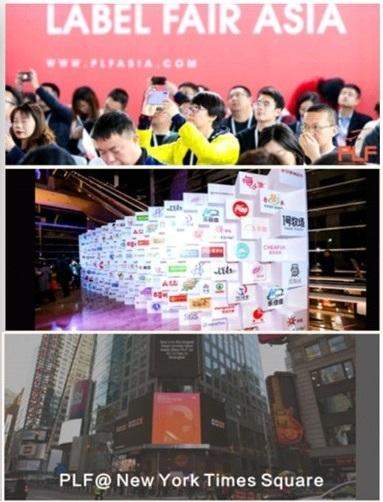
Private Label Fair Asia (PLF) is a leading exhibition platform in China, focusing on resources related to full-category merchandise for retailers and supermarkets.
PLF is committed to optimizing the product mix in the retail market, facilitating the quality upgrade of retail products, and enhancing the efficiency of product circulation. By building a precise bridge for retail-supplier cooperation, it aims to meet the growing material and cultural needs of Chinese consumers. Therefore, connecting supermarkets with high-quality, full-category sourcing has been a philosophy that PLF has been adhering to since its inception. Over the past 15 years, more and more supermarkets have shifted from a shelf-based business model to a product-based business model. With the change in retail business model, retailers' procurement needs for direct product procurement and private label development have also rapidly expanded.
As one of the world's three major series of private label exhibitions (Amsterdam, Netherlands; Chicago, USA; Shanghai, China), PLF has helped over 3,500 manufacturers, brand owners, and retailers at home and abroad establish connections and achieve a positive retailer-supplier partnership, building a more stable and healthy new cooperation model. In recent years, with the increasingly diversified business models of self-operated products, customized products, private label products, co-branded products, and IP cooperation, retailers' demand for purchasing differentiated products, high-quality and cost-effective products, and trendy products has surged. In 2024 alone, through multiple channels such as PLF retailer-supplier matchmaking events, PLF into retail, and PLF online matchmaking events, PLF helped 154 suppliers release nearly 200 procurement demands; achieved matchmaking with 800 suppliers; and led 171 suppliers to enter into precise procurement demand matchmaking with top retailers such as JD.com, Wumart, and Xinlongjia, resulting in a large number of cooperation orders.
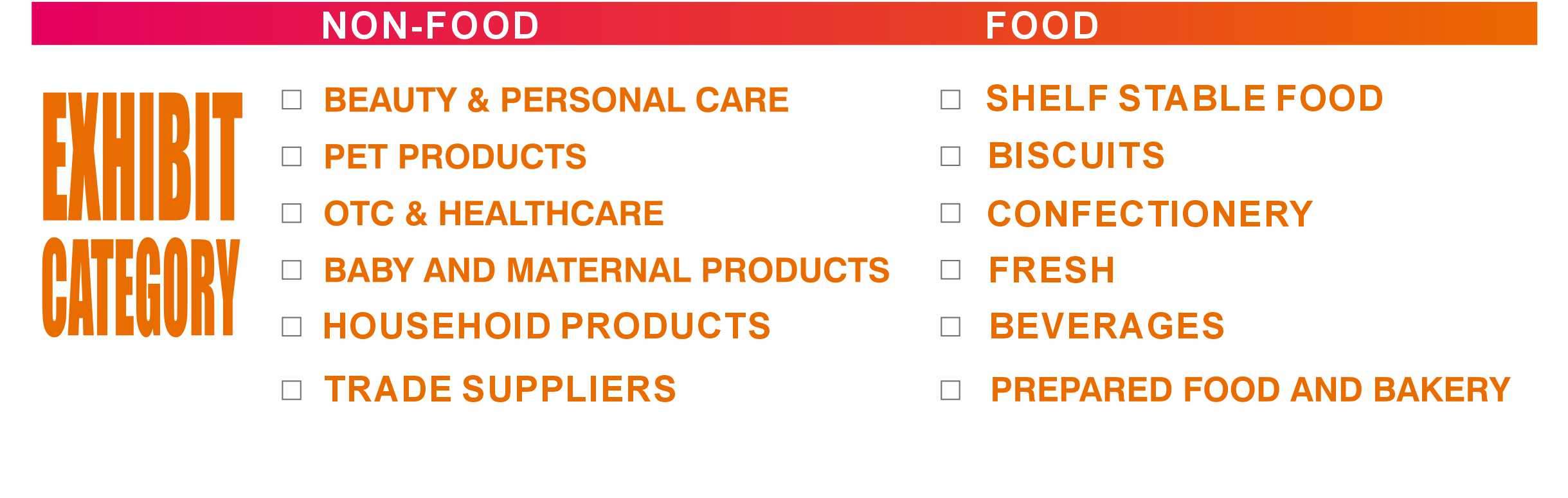
The 19th Private Label Fair Asia (PLF) will be grandly held in Shanghai from Dec 3 to 5, 2026. The total exhibition area will exceed 60,000 square meters, with a plan to accommodate 1,000 exhibitors from all categories, covering personal care and cleaning, household goods, food for daily use, confectionery and pudding, alcoholic beverages and mixers, biscuits and pastries, snack foods, design and packaging, and other categories. It aims to achieve efficient and precise matchmaking with retailers both domestically and internationally.
- SQM
- EXHIBITORS
- VISITORS
- EVENTS
2 Major sections and 13 categories
The History of Private Label Fair Asia (PLF)
2025
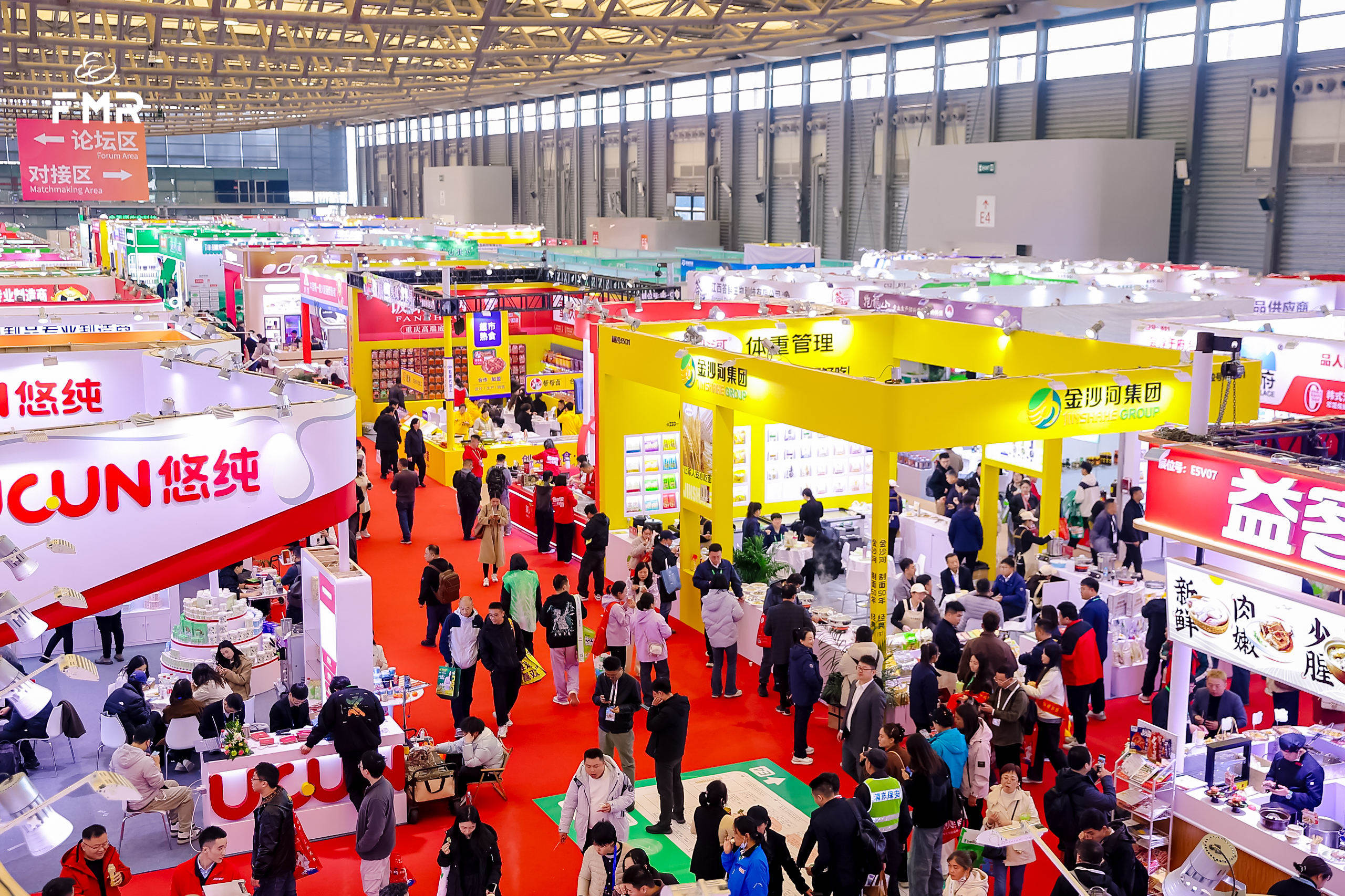
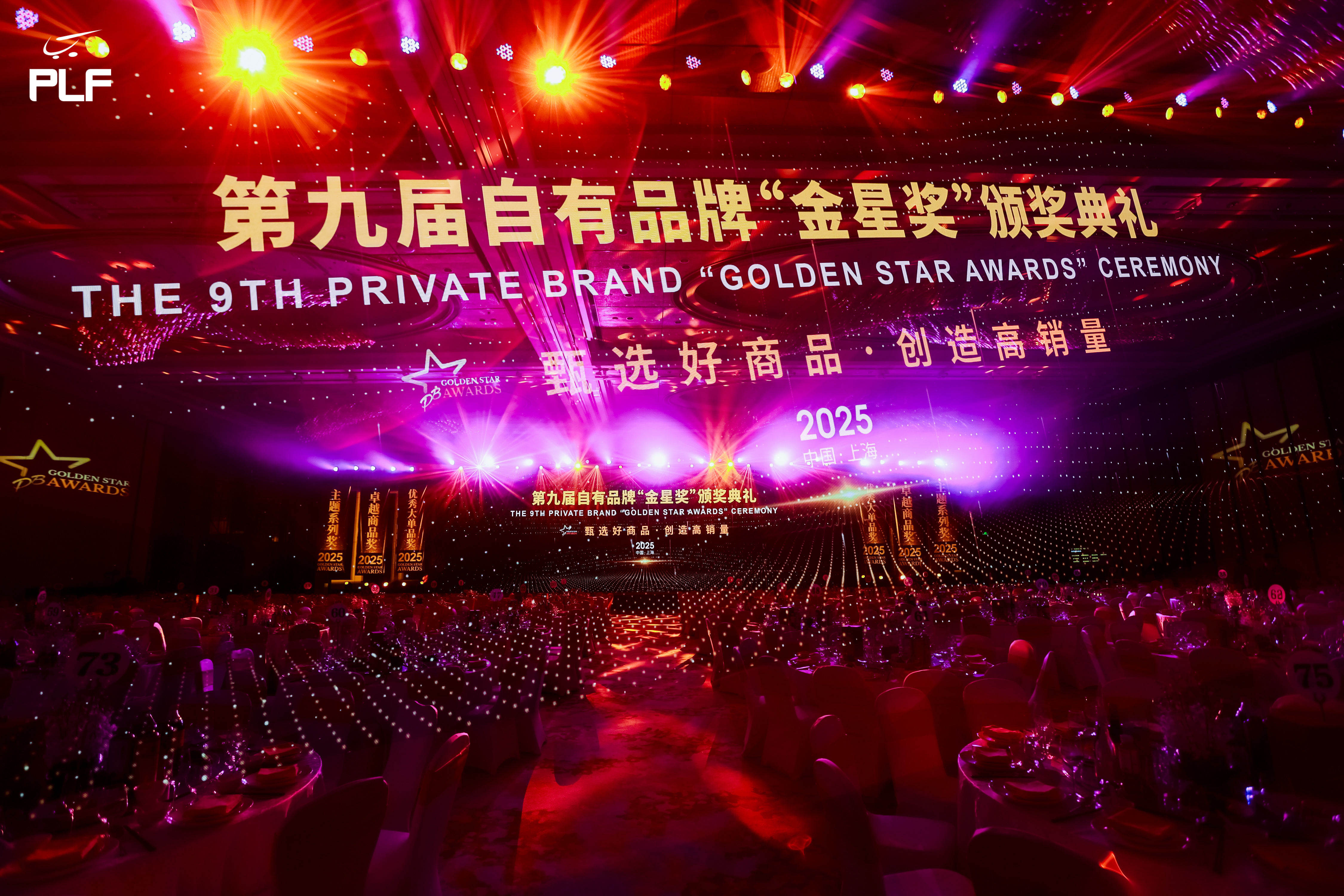
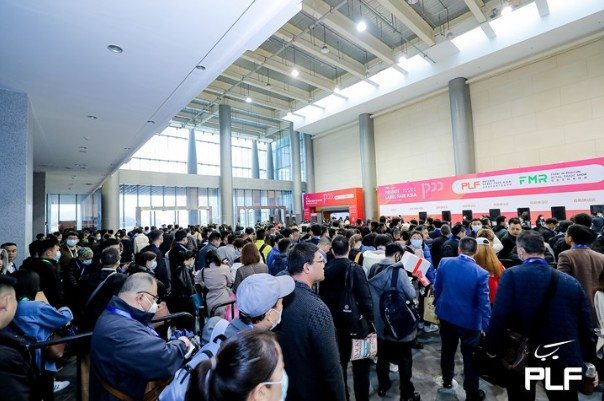
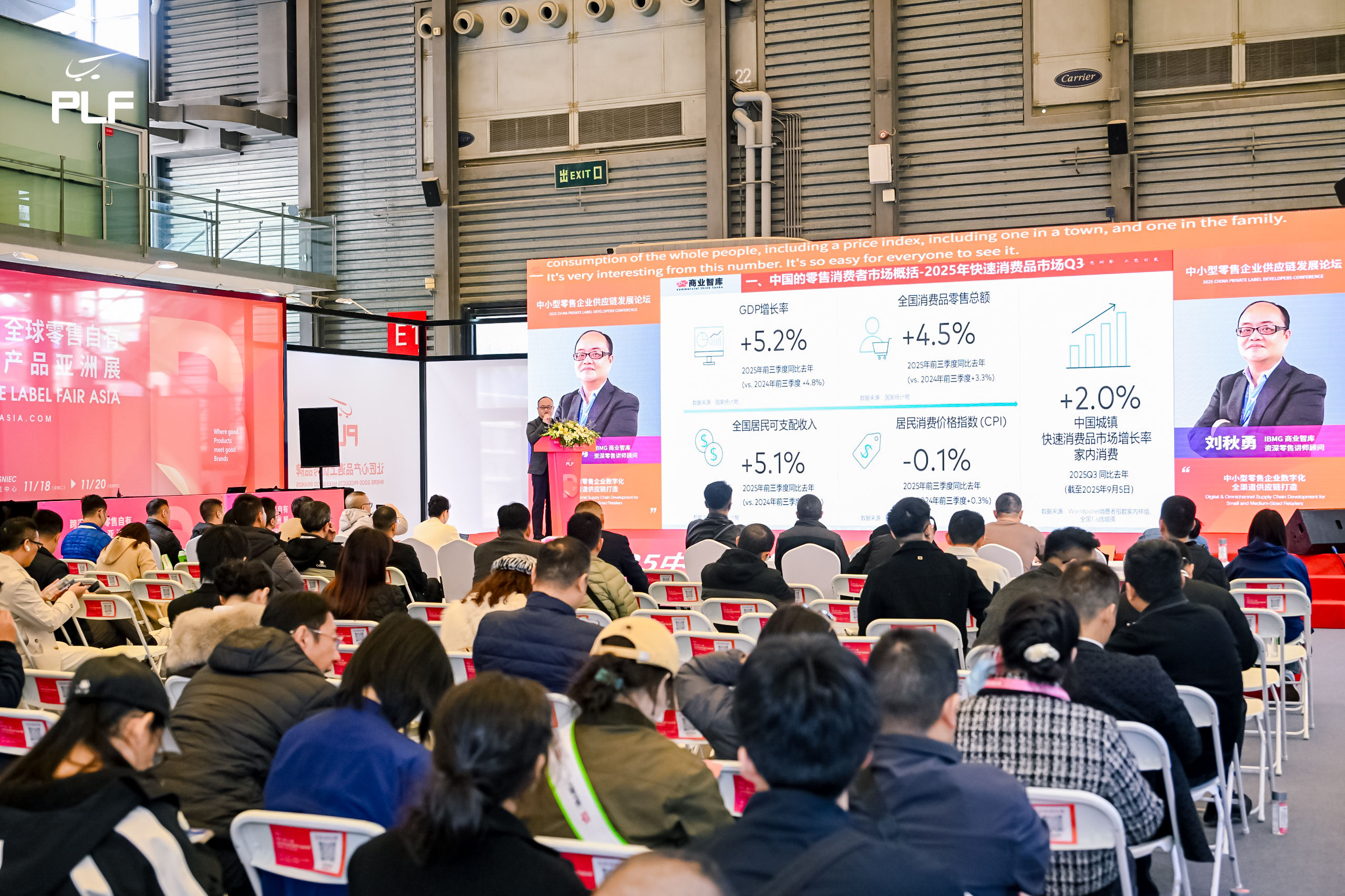
The 2025 PLF Private Label Fair was held at the Shanghai New International Expo Centre from November 18 to 20, with a total of 988 exhibitors participating and 26,711 professional visitors from the retail industry attending the exhibition. The award ceremony of the 9th Private Brand Golden Star Awards was held concurrently. A total of 794 products from 78 retailers participated in this year's selection, an increase of 75% compared with the previous year.
2023-2024
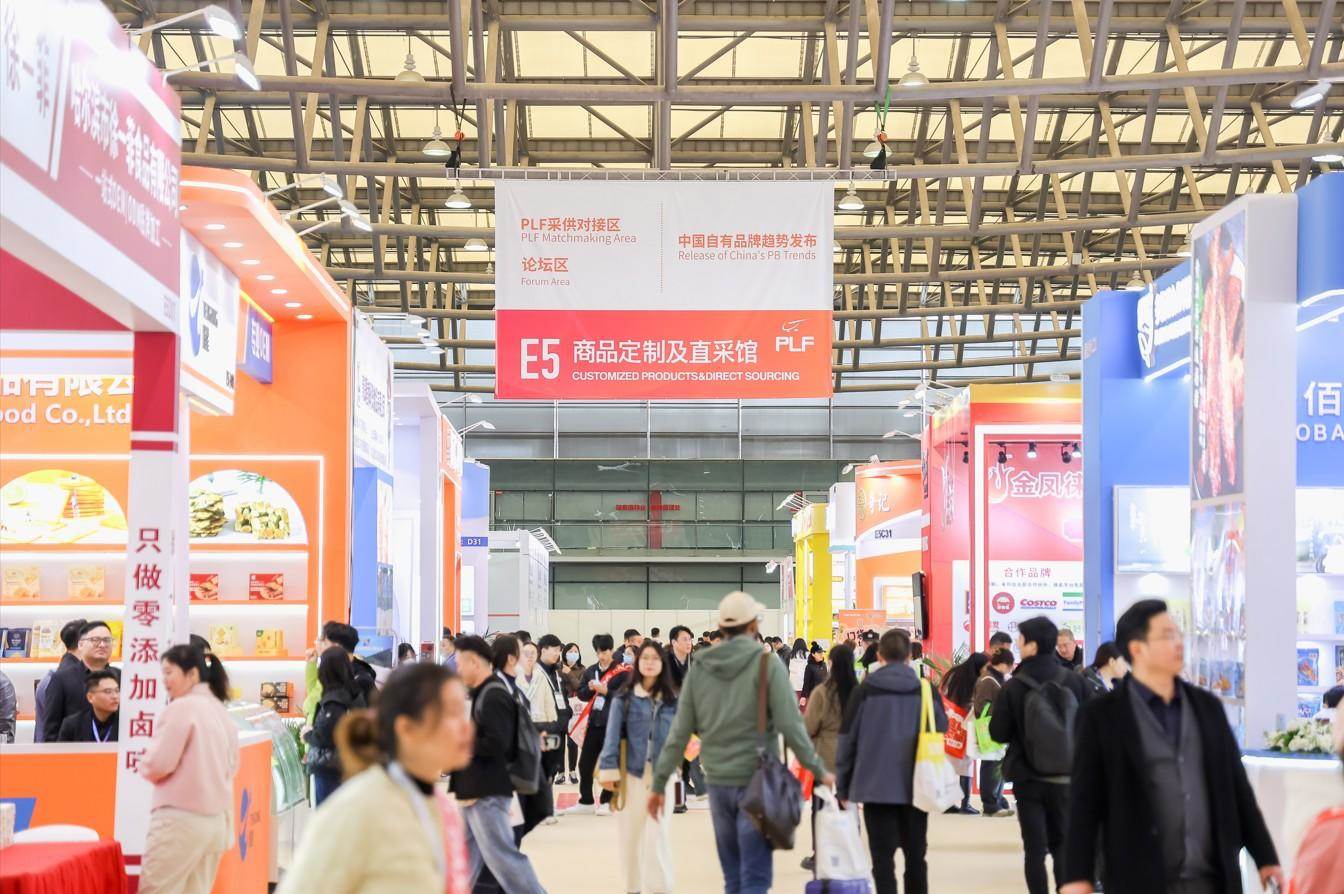
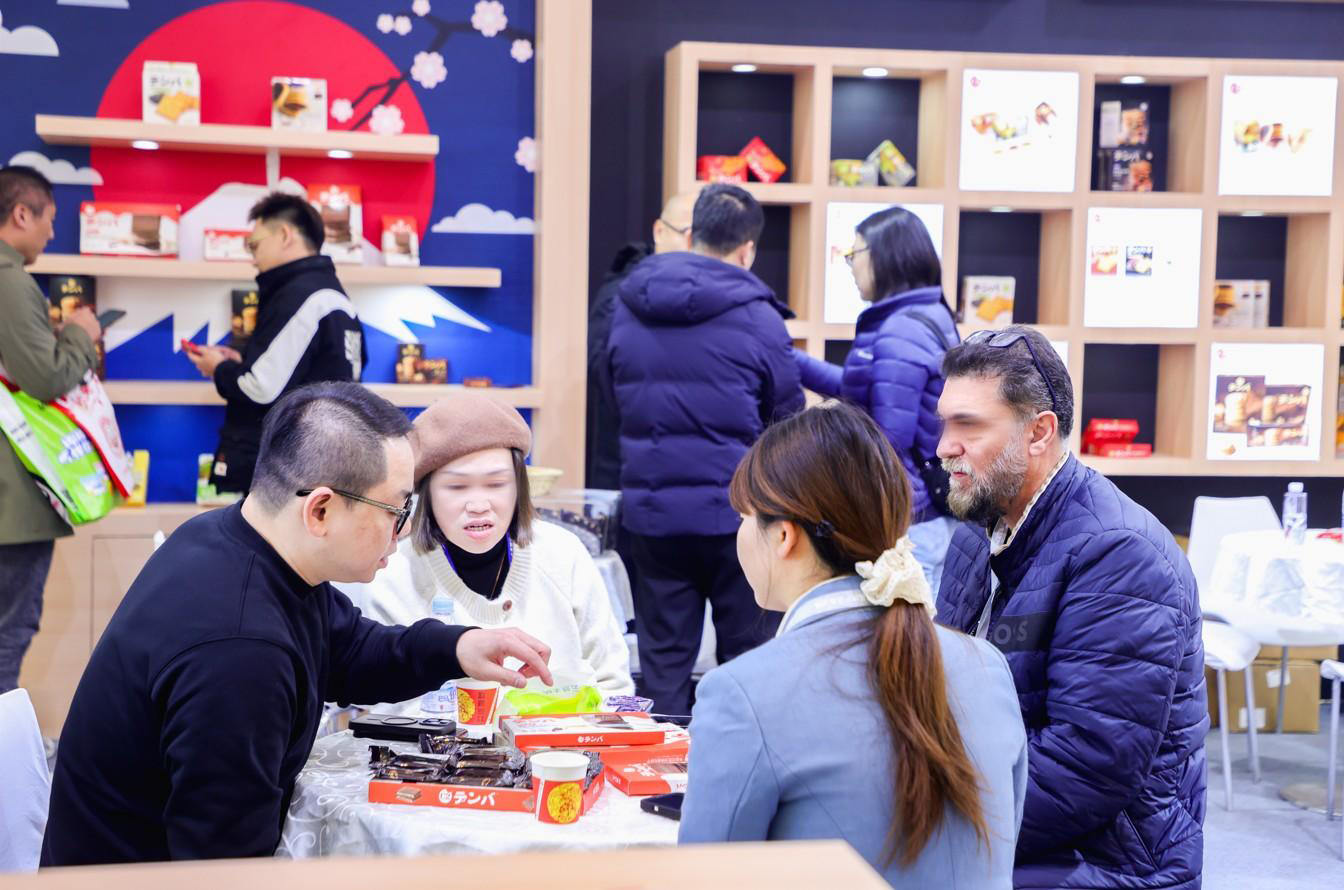
The Private Label Fair Asia (PLF) returned to Shanghai and launched the Customized Products and Direct Sourcing Pavilion. The number of visitors exceeded 20,000, representing a year-on-year increase of 28.62%, while the number of exhibitors reached nearly 1,000. For the 8th Private Brand Golden Star Awards, a total of 51 retailers submitted 453 products to compete for the Excellent Product Award under the Private Brand Golden Star Awards, a year-on-year increase of 74% compared with the previous year. This marked the entry of China's private label industry into the 3.0 era.
2020-2022
The Private Label Fair Asia (PLF) has been held in Suzhou, Shenzhen, Xiamen, and Nanjing respectively. The PLF has made efforts to expand beyond Shanghai and enter key industrial cluster regions. During each edition of the exhibition, the China Private Label Development Report is released for the first time, and the report is interpreted at the Private Label Summit held concurrently.
2019
2019 marked the 10th anniversary of the PLF exhibition, with nearly 1,117 exhibitors participating. The PLMA International Pavilions from 16 countries, including Germany, France, Italy, and Spain, made their debut. International exhibitors also gathered from the Korea Pavilion, as well as Thailand, Malaysia, and Japan.
2017-2018
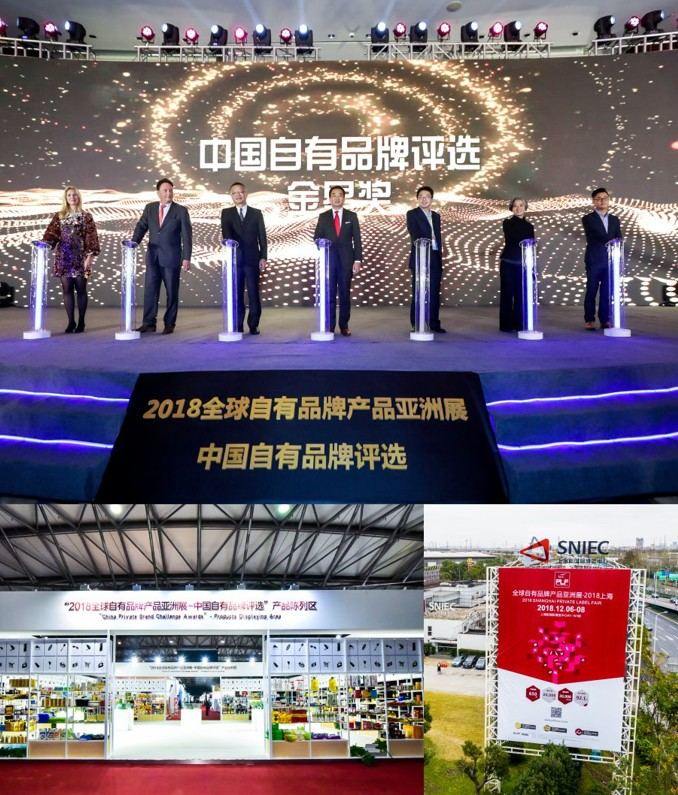
In 2017, the Private Label Summit was held for the first time. In 2018, the "Search for the Most Popular Private Label" award was officially named the "Golden Star Awards," and an "Outstanding Private Label Product Display Area" was set up during the exhibition. This marked the official arrival of the 2.0 era of China's private label industry.
2015-2016
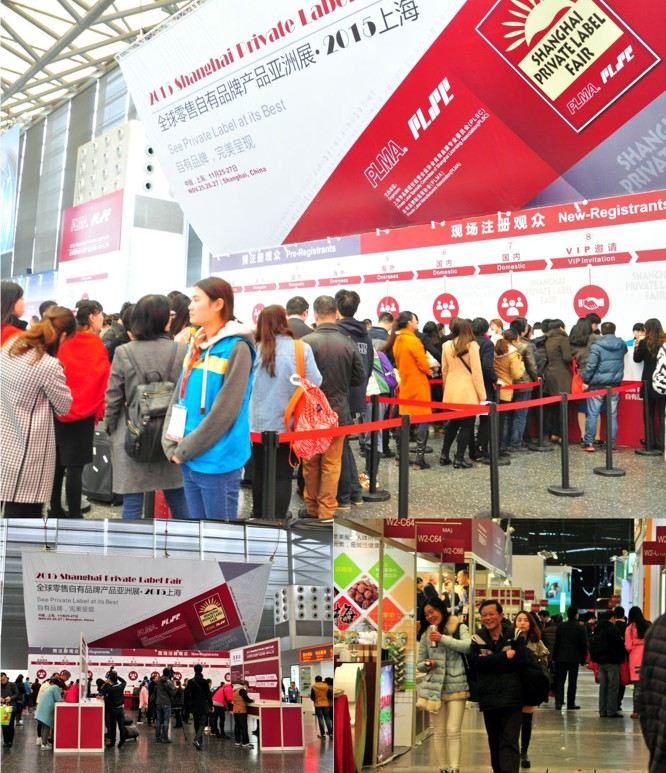
In 2015, the Private Label Fair Asia (PLF) attracted over 500 exhibitors. The exhibition was relocated to the Shanghai New International Expo Centre (Pudong), where leading domestic retailers such as Qingkelong, Mingkanhui, and Lianhua Huashang showcased their newly developed private label products during the event.
2013-2014
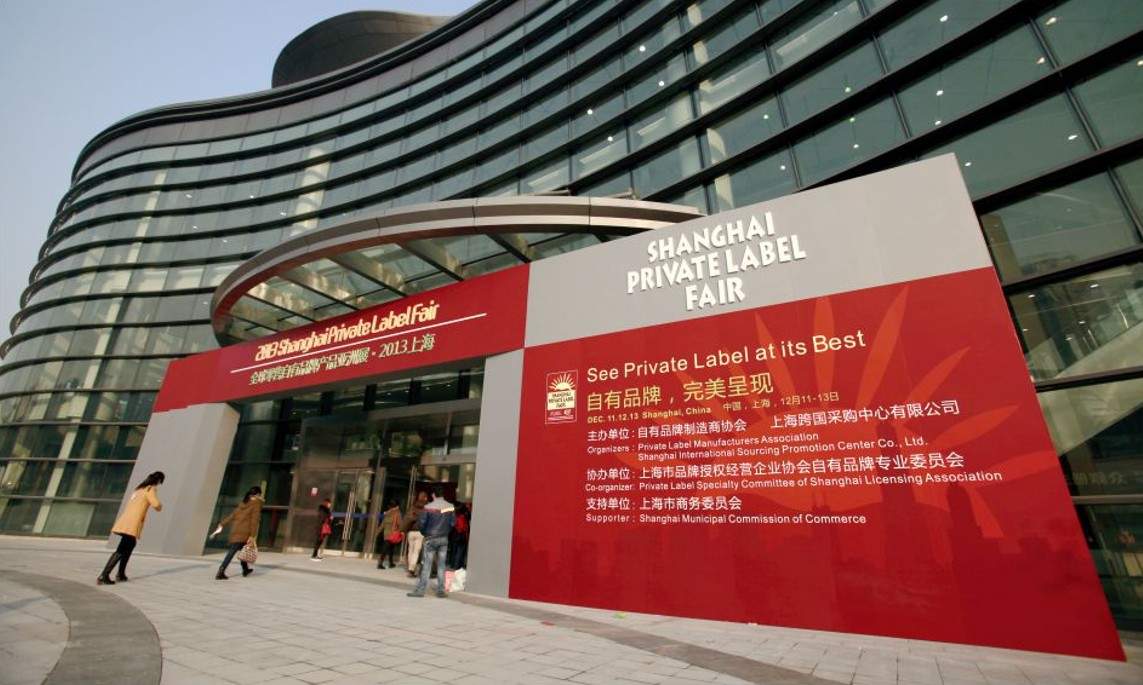
As the scale of the Private Label Fair Asia (PLF) expanded, the exhibition was relocated to the Shanghai Convention & Exhibition Center of International Sourcing. In 2014, during the exhibition period, a research report on China's retail private label market was compiled under the theme "Research on Enhancing the Competitiveness of China's Retail Private Labels."
2010-2012
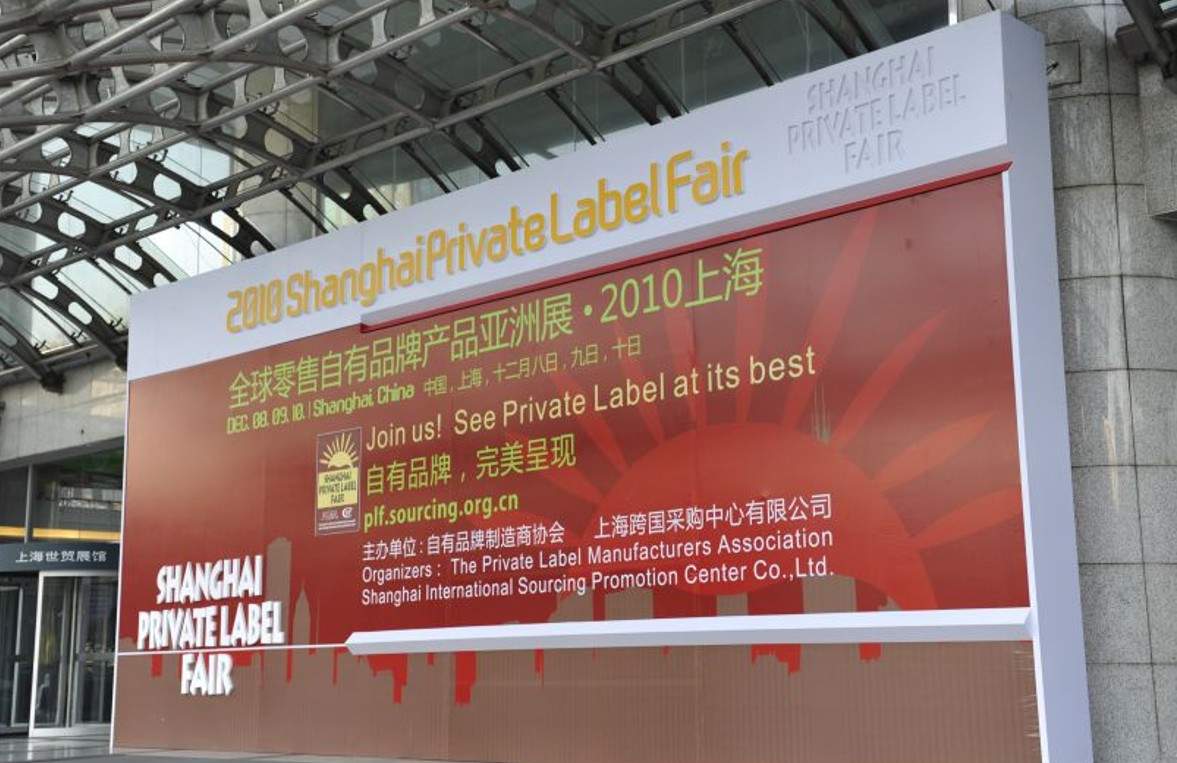
In 2010, under the leadership of the Shanghai Municipal Commission of Commerce and in collaboration with the Private Label Manufacturers Association (PLMA), the international private label exhibition — which had been operating overseas for 30 years — was introduced to China. The first "Private Label Fair Asia (PLF)" was successfully held at the Shanghai Mart, and the following year, an advanced training course on private labels was launched.